Help/Assist Expectant Mothers in Rural Communities: The Vital Work of Ihsan Initiatives
Uganda, a nation renowned for its beautiful landscapes and vibrant culture, also faces significant challenges in ensuring the health and well-being of its mothers and newborns. Rural communities, in particular, often lack access to essential healthcare services, leaving expectant mothers vulnerable to preventable complications. Ihsan Initiatives is working to bridge this gap, providing critical support and empowering women to navigate pregnancy and childbirth safely.
The Challenges Faced by Rural Expectant Mothers
Access to quality maternal healthcare in rural Uganda is hindered by a complex interplay of factors. These include:
- Geographic Barriers: Many rural communities are located far from healthcare facilities, requiring long and often difficult journeys, particularly during emergencies. Poor road infrastructure and limited transportation options exacerbate this problem.
- Financial Constraints: Poverty is widespread in rural Uganda, and many families struggle to afford even basic healthcare services, including antenatal care, skilled birth attendance, and postnatal care.
- Limited Healthcare Infrastructure: Rural health centers are often understaffed, under-equipped, and lack essential medicines and supplies.
- Lack of Skilled Birth Attendants: A shortage of trained midwives and doctors in rural areas contributes to a higher risk of complications during childbirth.
- Cultural Practices and Beliefs: Traditional beliefs and practices can sometimes discourage women from seeking timely medical care. Early marriage and teenage pregnancy are also prevalent issues, increasing the risk of complications.
The Stark Realities: Statistics and Numbers
The consequences of these challenges are reflected in Uganda’s maternal and infant mortality rates, which, while improving, remain a cause for concern.
- Maternal Mortality Rate: As of 2023, Uganda’s maternal mortality rate is approximately 336 deaths per 100,000 live births. (Source: World Bank). This means that for every 100,000 women who give birth, 336 tragically lose their lives due to pregnancy-related complications.
- Infant Mortality Rate: The infant mortality rate is approximately 43.1 deaths per 1,000 live births (Source: UNICEF). This indicates a significant number of newborns do not survive their first year of life.
- Skilled Birth Attendance: Approximately 61.4% of births are attended by skilled health personnel (Source: WHO). This means nearly 40% of births occur without the assistance of a trained healthcare professional, increasing the risk of complications.
- Teenage Pregnancy: Uganda has one of the highest rates of teenage pregnancy in Sub-Saharan Africa, with approximately 25% of girls aged 15-19 becoming pregnant. (Source: UNFPA Uganda, https://uganda.unfpa.org/en/teenage-pregnancy). Teenage mothers face higher risks of complications during pregnancy and childbirth.
Ihsan Initiatives: A Beacon of Hope
Ihsan Initiatives is working tirelessly to address these challenges and improve the health outcomes of expectant mothers and newborns in rural Ugandan communities.
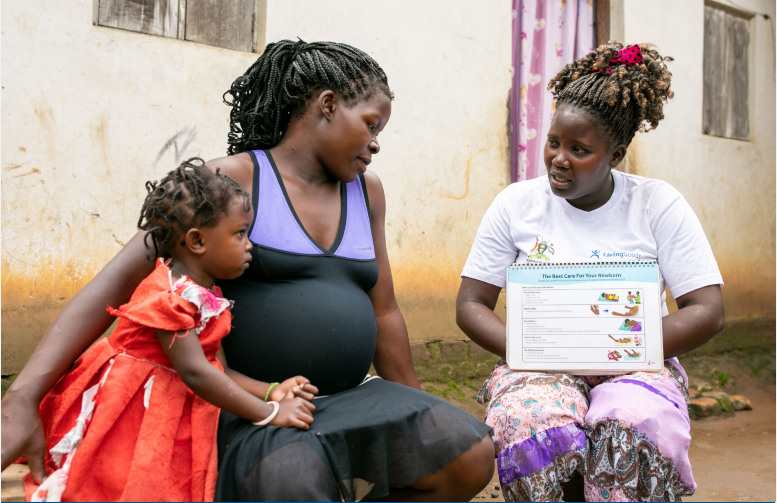
- Antenatal Care: many expectant mothers are in dire need of antenatal care like regular check-ups, screenings, and health education. with your assistance this much needed help and services will be provided to those mothers who need it most.
- Skilled Birth Attendance: we as ihsan initiatives encourage expectant mothers to go to nearby health centers in order for them to get skilled birth attendance, with our partnership with the ministry of health, we move with professionals to do regular check ups on young expectant mothers and if we find any challenge in our capacity, we are sure to assist.
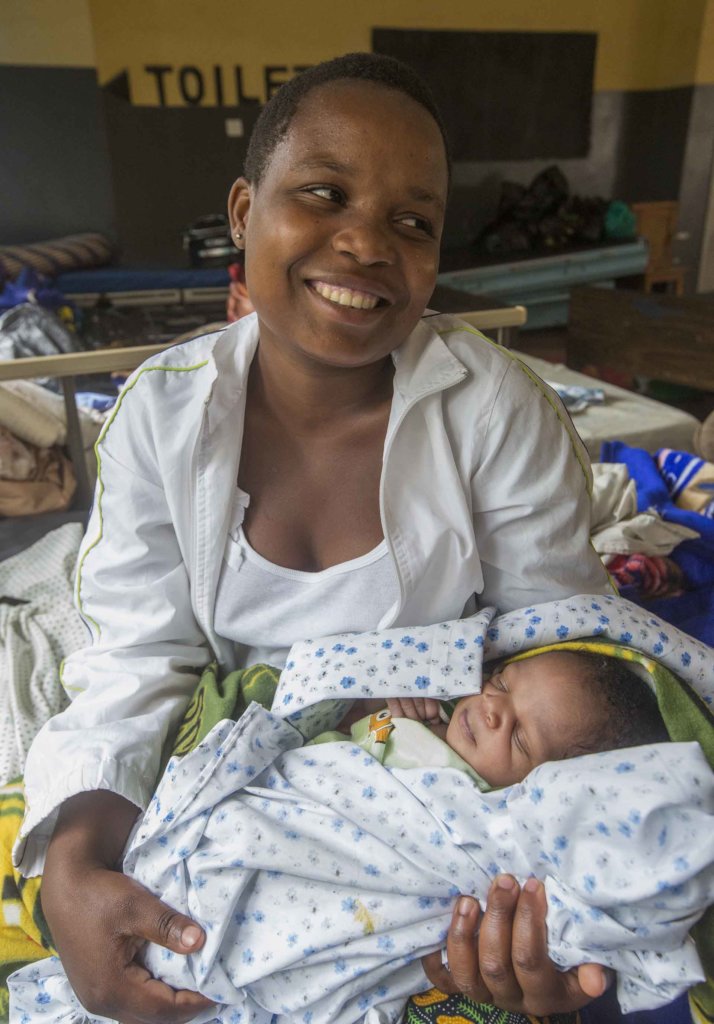
- Postnatal Care/ (PNC): This is essential support for the mother and newborn during the first six weeks after childbirth to manage recovery, breastfeeding, and health risks. Key components include monitoring for complications like infection or bleeding, newborn checkups, mental health support, and vaccinations. WHO recommends checkups within 24 hours, days 3 and 7–14, and at six weeks.
- Health Education: Ihsan Initiatives (and associated entities like Ihsan Relief and Development) provides health education to mothers and communities through a community-based, holistic approach that integrates education with practical support to improve maternal, neonatal, and child health (MNCH) outcomes.
- Transportation Assistance: Transportation assistance programs for pregnant women are designed to overcome barriers to care, particularly in rural or low-income areas, by providing, subsidizing, or organizing transport to healthcare facilities.
- Community Outreach: Community outreach programs for maternal health are designed to bridge the gap between households and health facilities, ensuring that expectant mothers receive timely, quality care. These programs often focus on education, strengthening referral systems, and empowering community members to recognize danger signs.
Give the Gift of Safe Motherhood. In the past year, Ihsan Initiatives has supported over 134 pregnant women in accessing vital antenatal care, skilled birth attendance, and postnatal support in rural Uganda. This has resulted in a significant decrease in maternal mortality rates and a significant increase in safe deliveries in the targeted communities. Just $100 can cover the cost of a complete prenatal check-up, essential vitamins, and delivery supplies for a mother and her baby.
Donate today and help us ensure a healthy future for generations to come
