ZAKAT – What you need to know/ A 2026 Guide
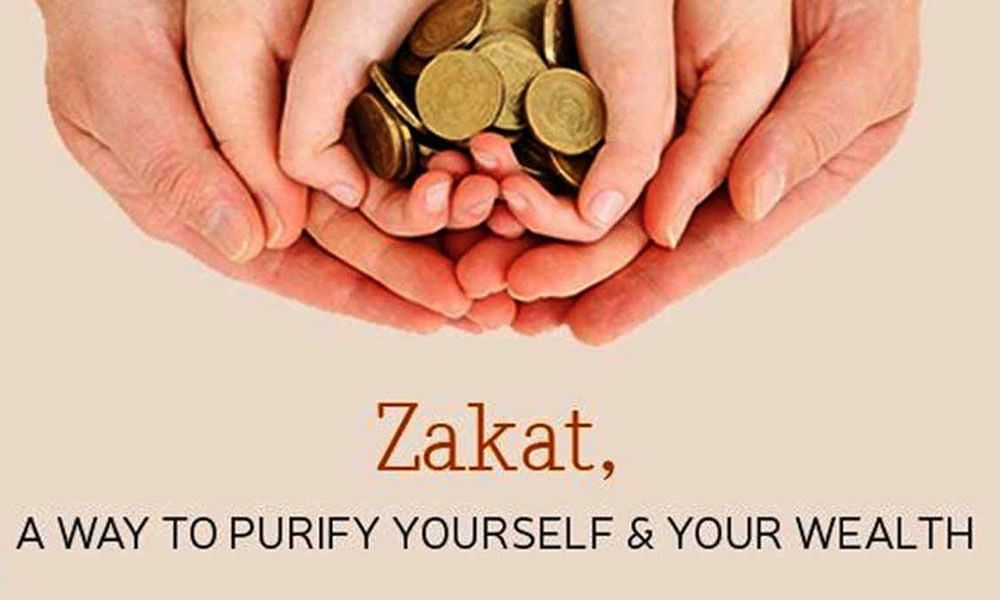
Zakat(Zakah or Zakaat) is a mandatory, third pillar of Islam, requiring adult Muslims with wealth exceeding a minimum threshold (nisab) to donate 2.5% of their savings and assets annually to the needy. Don’t mistake Zakat of Zakah for Sadaqah, Sadaqah is a voluntary act or acts of generosity while Zakat is mandatory. it includes purifying ones wealth through giving a portion of to those in need as prescribed by Islamic Law.
Eligible Muslims pay Zakat once a year, and it is due as soon as one lunar (Islamic) year has passed since meeting or exceeding the Nisab (certain amount of wealth). The Zakat of every Muslim is then distributed to those who meet the criteria to receive it.
QS. At-Taubah [9]: 60

“Indeed, zakat is only for the poor, the needy, those who collect it, those whose hearts are to be reconciled, (the emancipation of) slaves, those in debt, for the cause of Allah, and for the wayfarer…”
There are two types of Zakah namely:
- Zakat Al-Mal, is translated to ‘the Zakat of wealth’ and is commonly referred to as Zakat. It refers to the pillar of Islam stating that every sane, adult Muslim who owns wealth over a certain amount – known as the Nisab, must pay 2.5% of that wealth.
- Zakat al-Fitr, is a charitable donation of food that must be given before Eid prayer, before the end of the month of Ramadan, for the love of Allah.
What is Zakat al-Fitr?
Zakat al-Fitr (Fitrana) is a donation often in the form of food that is given before Eid prayer, therefore it must be given before the end of Ramadan. Fitrana must be given by every self-supporting Muslim who has food in excess of their needs, on behalf of themselves and their dependants.
Fitrana (Zakat al-Fitr) differs from Zakat (Zakat al-Mal) in that it is not dependent on earnings or savings. Instead, it is a fixed amount paid for each person at the end of Ramadan.
In the Hanafi madhab (school of thought), it is due on anyone who owns wealth above the nisab, while the other madhabs require a person to have surplus beyond their basic needs. The amount is set each year based on the cost of staple food.
Who are the recipients of Zakah?
Allah (SWT) has specified eight categories of eligible recipients for Zakat:
- The wayfarer – travellers in need.
- In the path of Allah (SWT) – for causes that align with Islamic principles.
- Those in debt – individuals struggling to repay legitimate debts.
- Those in bondage – captives and enslaved people.
- New Muslims and allies – individuals who have recently embraced Islam or are supportive of the Muslim community.
- Zakat administrators – those responsible for collecting and distributing Zakat.
- The needy (al-masakin) – individuals facing hardship.
- The poor (al-fuqara) – those with little to no income.
Mosques and educational institutions do not qualify for Zakat unless the individuals directly benefiting meet the eligibility criteria.
Is Zakah taken from savings or profit?
Zakat is based on the amount, assets and wealth you own, as opposed to your income.
According to the Hanafi madhab, for every sane, adult Muslim who owns wealth over a certain amount – known as the Nisab – he or she must pay 2.5% of that wealth as Zakat.
Assets include gold, silver, cash, savings and business assets, which have been in your possession over a lunar year.
Conditions for paying Zakah
For Zakat to become obligatory, the following conditions must be met:
- The person must be Muslim.
- The person must be of sound mind (according to the Hanafi madhab. However, according to the other madhabs, children too may be required to have their Zakat calculated if their personal Zakatable wealth reaches the nisab).
- The person must have reached puberty (according to the Hanafi madhab).
- The person must fully own the nisab (minimum amount of wealth).
- One Hijri (Islamic lunar) year must pass while owning the nisab.
- The wealth must be zakatable in nature, meaning it has the potential to increase.
Can Family Members Get Zakah?
A recipient of Zakat must not be someone you are Islamically financially responsible for, such as your wife (Hanafi madhab), children, or parents. According to the other madhabs a wife can give her husband Zakat if he is eligible.
According to the Hanafi and Hanbali madhab, grandparents are not eligible to receive Zakat. However, in the Shafi and Maliki madhab, it is permissible to give Zakat to grandparents, provided their maintenance is not your responsibility. Other relatives may receive Zakat if they are eligible.
Please note: Donations made on this page will be allocated to our Zakat fund that is used to deliver a range of different Zakat eligible projects such as the examples showcased here. These programmes can and will be delivered in any of the countries where Ihsan Initiatives has a presence, and those projects are catered to the local community with the aim to save and transform lives.

One thought on “ZAKAT – What you need to know/ A 2026 Guide”